What Happens If Your Bicycle Accident Lawyer Takes the Case to Court

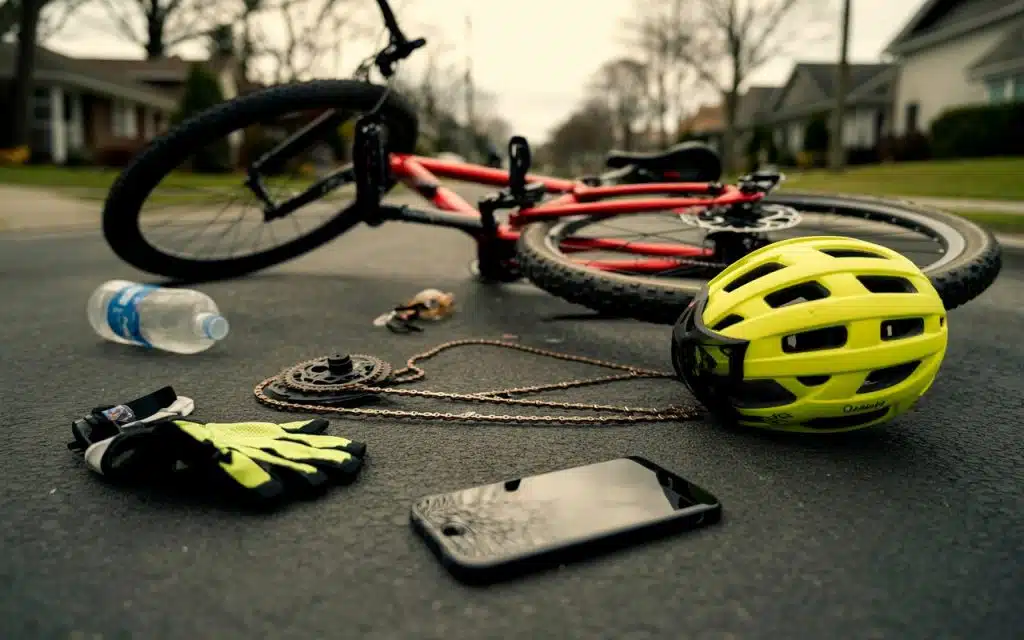
Most bicycle accident claims never reach a courtroom. They are resolved through insurance negotiations, pre-suit settlement talks, or mediation. Even so, when a case does go to court, the experience changes in important ways. The timeline gets longer. The work becomes more structured. The stakes often feel more real because there is now a judge, a formal schedule, and the possibility that a jury will decide what your injuries, lost income, and pain are worth.
For injured riders, that shift can be unsettling. People often imagine a dramatic trial, packed with surprise witnesses and emotional speeches. Real court cases are usually more methodical than that. They are built on records, testimony, expert analysis, and strategy. A strong Bicycle Accident Lawyer spends a great deal of time outside the courtroom preparing the case so that when the court process begins, nothing important is left to chance.
Understanding what actually happens can make the process less intimidating. It also helps you set realistic expectations about timing, stress, and the decisions you may be asked to make along the way.
The moment a claim stops being just an insurance matter
At the start, many bicycle accident cases look like standard injury claims. A rider is hit by a turning car, a driver opens a door into a bike lane, or a motorist passes too closely and forces a cyclist into a fall. Medical treatment begins, bills arrive, and the insurance company starts gathering information. In a straightforward case with clear liability and documented injuries, settlement can happen without filing a lawsuit.
Court usually enters the picture when something breaks down in that process. Sometimes the insurer disputes fault. Sometimes it argues that the cyclist caused or contributed to the crash. Sometimes the insurer accepts some responsibility but minimizes the injuries, claiming that the treatment was excessive or that the rider had a pre-existing condition. There are also cases where the amount offered simply does not come close to covering surgeries, time away from work, future care, and the day-to-day impact of a serious injury.
A Bicycle Accident Lawyer does not take a case to court for show. Filing suit is usually a strategic step taken because informal negotiation is no longer enough. It tells the other side that your lawyer is prepared to prove the case under formal rules, with evidence that can withstand scrutiny.
That alone can change settlement dynamics. Insurance carriers often evaluate cases differently once they see a complaint filed, discovery underway, and experts retained. Some weak defenses fade quickly when they must be stated under oath rather than floated in a claims letter.
Filing the lawsuit is only the beginning
People often think the lawsuit and the trial are nearly the same thing. They are not. Filing the complaint starts the litigation process, but trial may still be many months away, and in some courts it can be a year or more. The exact pace depends on where the case is filed, how crowded the court calendar is, how severe the injuries are, and whether there are multiple defendants.
The complaint is the formal document that sets out your allegations. It identifies the parties, explains how the crash happened, and states the legal claims being made. In a bicycle collision, those claims often center on negligence. If a commercial vehicle is involved, there may be added claims tied to employer responsibility. If road design, signage, or roadway maintenance played a role, the case can become more complex and may involve public entities, which usually means special notice rules and shorter deadlines.
After the complaint is filed, the defendant responds, often https://erickhcav616.oakmontscope.com/posts/bicycle-accident-lawyer-tips-for-preserving-key-evidence by denying key allegations and raising defenses. That can feel combative, especially for someone who has lived with obvious pain and disruption since the crash. But denial is common in litigation. It does not mean your case lacks merit. It means the case is now moving into a system where everything must be proved with admissible evidence.
What your lawyer is really doing once the case is in court
A good Bicycle Accident Lawyer becomes part investigator, part strategist, and part project manager during litigation. Court cases are won long before opening statements. The lawyer’s work focuses on gathering reliable proof, locking in testimony, and anticipating attacks from the defense.
In a bicycle accident case, that often means reconstructing how the collision happened in unusually detailed ways. Unlike many car-on-car crashes, bike cases can involve visibility issues, road positioning, helmet damage, bike mechanics, lane markings, passing distance, and speed estimates that are not obvious from a basic police report. The defense may argue that the cyclist was outside the bike lane, failed to signal, wore dark clothing, or moved unpredictably. Your lawyer has to test those claims against physical evidence and witness accounts.
Medical proof also becomes central. If you suffered a fracture, concussion, spinal injury, dental trauma, or chronic pain, the court process will force both sides to look closely at your records. Your lawyer may work with treating physicians and, in serious cases, outside experts who can explain future treatment needs, permanent impairment, and the effect of the injuries on your work and daily function.
This is often where the difference between a routine personal injury case and a well-prepared bicycle case becomes clear. Jurors do not always understand cycling dynamics. A skilled lawyer knows how to explain them plainly. For example, a rider may leave the far edge of a bike lane to avoid debris, a drain grate, or the door zone next to parked cars. To a cyclist, that is basic self-protection. To a juror who rarely rides, it may need explanation and context.
The discovery phase, where the case gets tested
Discovery is the formal evidence exchange period. It tends to be the longest and least glamorous part of litigation, but it is where many cases are shaped. Each side demands documents, submits written questions, and takes depositions, which are sworn interviews recorded by a court reporter.
During discovery, you may have to provide medical records, tax returns or wage information if you claim lost earnings, photographs, repair records for the bicycle, and details about your treatment history. The defense will search for inconsistencies. If you told one doctor your pain was improving and later describe severe ongoing limitations, they may try to use that against you. If social media shows you traveling or attending an event, they may suggest your injuries are overstated, even when the post tells only a tiny part of the story.
Your deposition is one of the most important parts of the case. It is not a casual conversation. Defense counsel will ask about the crash, your injuries, your prior health, your work, your hobbies, and your daily limitations. A prepared Bicycle Accident Lawyer spends time getting clients ready for this because a deposition can influence settlement value in a major way. Clear, careful testimony helps. Guessing, exaggerating, or arguing rarely does.
The defendant may also be deposed. In some bicycle cases, that can be pivotal. Drivers often remember collisions in self-serving ways at first. Under oath, details tighten. A driver who initially claimed the cyclist came out of nowhere may have to admit they were turning while looking at cross traffic, glancing at a navigation screen, or trying to beat a light. Small admissions can matter a great deal.
Experts may enter the picture here as well. Accident reconstruction specialists, orthopedic surgeons, neurologists, vocational experts, and life care planners are more common in cases involving serious injury or disputed liability. Their job is not to dramatize the case. Their job is to explain technical issues in a credible, defensible way.
Most cases still settle, even after a lawsuit is filed
One of the biggest misconceptions about court is that once a lawsuit is filed, trial becomes inevitable. In practice, many cases settle during litigation. In fact, settlement often becomes more likely after discovery has exposed the strengths and weaknesses on both sides.
A defendant may have more incentive to settle after a poor deposition, damaging phone records, black box data from a vehicle, or a persuasive expert report. Plaintiffs sometimes become more open to settlement as well, especially once the emotional cost and delay of trial become clear. There is no shame in resolving a case before verdict if the terms fairly reflect the harm done.
Settlement talks during litigation tend to be more informed than early claim discussions. By then, both sides usually know much more about medical prognosis, future treatment, work limitations, and how a witness is likely to perform under oath. Mediation is common at this stage. A neutral mediator works with both sides, often over several hours, to see whether the dispute can be resolved without trial.
Sometimes a case that looked destined for court settles two weeks before trial. Sometimes it settles during trial. Sometimes it settles after the jury has been selected but before opening statements. That uncertainty is part of litigation.
What trial preparation actually looks like
By the time a case is approaching trial, the pace usually picks up. Deadlines tighten. Motions are filed. Witnesses are finalized. Exhibits are organized. If you are the injured cyclist, this can be the stage where the case starts to feel particularly real.
A trial-ready Bicycle Accident Lawyer is not just thinking about the legal theory. They are thinking about presentation. Which photographs best show the intersection? Does the bike itself need to be brought into court? Can the jury understand the road layout from a map, or is a diagram necessary? Does your surgeon explain well to non-medical listeners? Should the day-in-the-life effects of the injury be shown through your testimony, family testimony, records, or all three?
The defense is preparing too. It may ask the court to exclude certain evidence. It may try to limit what your experts can say. It may argue that some treatment was unrelated to the crash. A surprising amount of trial advocacy happens in these pretrial battles.
A few of the most common parts of trial preparation include:
- Preparing witnesses so their testimony is accurate, clear, and consistent.
- Organizing medical records, bills, photographs, and demonstrative exhibits.
- Filing motions about what evidence the jury may hear.
- Refining the damages story, especially future care, lost earning capacity, and pain.
- Evaluating any final settlement offer against the real trial risks.
That last point matters. Trial is not simply a chance to ask for more money. It is a risk assessment exercise. A fair settlement in hand can be worth more than a theoretically larger verdict that may never come, may be reduced on appeal, or may be hard to collect. Experienced lawyers discuss those trade-offs candidly.
What happens in the courtroom
The trial itself usually unfolds in a structured sequence. It is less theatrical than television and more demanding than most clients expect. You may spend long hours waiting while lawyers argue legal issues outside the jury’s hearing. A single evidentiary dispute can consume most of a morning. Patience matters.
Jury selection comes first in a jury trial. Lawyers question potential jurors to identify obvious bias or attitudes that may affect the case. Bicycle cases can be interesting here because jurors may come in with strong assumptions. Some are sympathetic to cyclists. Others view riders as unpredictable rule-breakers. A lawyer who understands local jury attitudes has a real advantage.
Opening statements follow. These are road maps, not evidence. Your lawyer explains what the evidence will show about the crash, the injuries, and the consequences. The defense does the same from its side.
Then evidence is presented. Witnesses testify. Documents are introduced. Experts explain technical matters. The defense cross-examines your witnesses, and your lawyer cross-examines theirs. In a bicycle crash case, a key dispute might focus on one or two seconds before impact. Was the cyclist visible? Did the driver check the mirror? Was the turn made across the rider’s path? Was there enough room to pass safely? Trial often turns on these specifics.
Your testimony will likely be central. Jurors want to hear directly from the injured person. They want to understand not only what happened at the intersection, but what happened after. Can you ride again? Do stairs hurt? Did a wrist fracture end your ability to work with tools? Has a head injury changed concentration, sleep, or temperament? Honest detail is persuasive. Polished exaggeration usually is not.
After both sides rest, closing arguments tie the evidence together. Then the judge instructs the jury on the law, and the jury deliberates. Some verdicts come back in hours. Others take days.
The issues that can make bicycle cases harder than expected
To someone outside the legal field, a bicycle collision may sound straightforward. A car hit a cyclist, so the driver pays. Real cases can be more complicated.
Comparative negligence is a frequent issue. In many states, a cyclist can still recover damages even if partly at fault, but the award may be reduced by that percentage. So if the defense persuades a jury that you were 20 percent responsible because of lane positioning, lighting, or a traffic-control issue, the award can be reduced by 20 percent. Those percentages matter. In a case valued at $300,000, a modest fault finding can mean tens of thousands of dollars.
Injury proof can also be tougher than people expect. Some of the most disruptive bicycle injuries are not the easiest to display. A concussion with lingering symptoms, nerve irritation, chronic neck pain, or a shoulder injury that limits endurance may be challenged more aggressively than a simple fracture visible on an X-ray. Juries generally understand surgery and casts. They can be more skeptical of symptoms that fluctuate or do not photograph well.
Then there is the cultural piece. Many jurors drive every day and rarely bicycle in traffic. They may not instinctively understand why a cyclist “took the lane,” slowed before crossing railroad tracks, or moved left to avoid a parked car door. A lawyer who has actually handled bike cases knows that education is part of advocacy.
How long this can take, and why patience matters
Clients often ask for a simple timeline. The honest answer is that it varies widely. A modest injury case in a fast court might resolve within a year of filing. A more serious case with surgery, disputed liability, or multiple defendants can take much longer. Eighteen months to three years is not unheard of, and some cases stretch beyond that if appeals follow.
The reason is not always legal gamesmanship. Often, the case cannot be valued responsibly until your medical picture becomes clearer. If you settle too early, before it is known whether you need another surgery, extended physical therapy, or long-term neurological care, you take a real risk. Once a case settles, you usually cannot go back for more later.
There is also a practical court reality. Judges have crowded dockets. Trial dates can be continued. Expert scheduling can cause delays. Insurance carriers sometimes negotiate seriously only after they see that the plaintiff has stayed the course through the harder parts of litigation.
For many clients, the emotional challenge is not just delay. It is having to revisit the crash repeatedly. Treatment records, depositions, doctor visits, and trial prep all force you to relive an event you would rather leave behind. A good lawyer recognizes that and keeps the process focused rather than needlessly intrusive.
What you may need to do as the client
Even with a strong legal team, you still have a role. Your credibility can influence the outcome more than you might think. Courts and juries do not expect perfection, but they do notice consistency and honesty.
You will likely need to keep your lawyer updated on treatment, symptoms, work status, and new expenses. If your condition worsens, say so. If it improves, say that too. It is better to present a balanced picture than one that sounds rehearsed. You may also need to appear for medical examinations requested by the defense, help gather records, review written discovery responses, and attend mediation or trial.
A few habits help clients navigate litigation well:
- Follow medical advice unless you have a real reason not to, then document that reason.
- Avoid discussing the case publicly, especially on social media.
- Keep records of out-of-pocket costs, missed work, and daily limitations.
- Tell your lawyer about prior injuries before the defense discovers them first.
- Ask questions early when you do not understand a deadline or decision.
None of this guarantees a result. It does make it easier for your Bicycle Accident Lawyer to present a coherent, trustworthy case.
The money question people worry about most
Once a case goes to court, clients usually become more aware of costs, though many injury lawyers handle these cases on a contingency fee. That often means attorney fees are a percentage of the recovery, and case expenses such as filing fees, deposition transcripts, expert witness costs, and exhibit preparation are advanced by the firm and reimbursed from any recovery. The exact arrangement depends on the fee agreement and local rules.
Trial makes cases more expensive. Experts alone can cost thousands of dollars, and in serious injury litigation the total expense can become substantial. That does not mean going to trial is the wrong move. It does mean the decision should be grounded in realistic value, solid liability proof, and a clear understanding of risk.
There is also the possibility of liens or reimbursement claims. Health insurers, government benefit programs, and medical providers may have rights to repayment from any settlement or verdict. Part of your lawyer’s job is to identify and negotiate those obligations where possible. A verdict that looks large on paper can shrink once fees, costs, and liens are accounted for, so the net recovery matters more than the headline number.
If the verdict comes back, that may not be the final chapter
A trial verdict feels final, but legally it may not be. The losing side can file post-trial motions. In some cases, it can appeal. Appeals do not retry the facts, but they can challenge legal rulings, evidentiary decisions, jury instructions, or the size of the award. That process takes time.
Sometimes the defense pays promptly after a verdict. Sometimes there are negotiations after trial to avoid appeal. Sometimes a plaintiff wins on liability but disputes remain about costs, interest, or how the judgment will be satisfied. In commercial cases, there may be multiple insurance layers to sort out. In cases involving individuals with limited coverage, collecting the judgment can become its own issue.
This is one reason experienced lawyers talk about trial as part of a larger process rather than a dramatic endpoint. A verdict is powerful, but it is not always the same as money in hand on the day it is announced.
Why trial readiness often improves a case, even if no trial occurs
The strongest settlement position usually belongs to the side that is actually prepared to try the case. Insurance companies and defense firms notice the difference. They know when a plaintiff’s lawyer has built a file for negotiation only, and they know when the lawyer has developed a record that can stand up before a jury.
For bicycle injury claims, that distinction matters because these cases can be undervalued when the cyclist’s perspective is not fully developed. Trial preparation forces that perspective into the open. It gives shape to the road conditions, the biomechanics of the fall, the cost of rehabilitation, the fear of riding again, and the practical loss of mobility or independence that a non-cyclist might otherwise miss.
That does not mean every case should be pushed to verdict. It means a Bicycle Accident Lawyer who is willing and able to take the case to court changes the negotiating landscape. The defense must weigh not just what it hopes to pay, but what it might have to explain to twelve people who are seeing the evidence for the first time.
When your lawyer takes the case to court, the process becomes more demanding, more formal, and often more stressful. It also becomes more transparent. The facts are tested. The injuries are documented in depth. The defense has fewer opportunities to dismiss the claim with a low offer and vague skepticism. For many injured cyclists, that shift is exactly what creates the leverage needed for a fair result, whether it comes in a conference room, a mediation session, or from a jury after deliberation.
CGH Injury Lawyers
2701 Lawrence St Suite 201
Denver, CO 80205, United States
Phone: +1 720-669-8062
FAQ About Bicycle Accident Lawyer
Who is at fault if a car hits a bicycle?
Fault depends on the evidence and the traffic rules that applied to the collision. A driver, cyclist, or another party may share responsibility. Police reports, witness accounts, video, and the physical evidence can help establish what happened. A collision with a car does not automatically determine legal fault.
Can you sue someone for hitting you on a bike?
You may have a claim when another person's negligent conduct causes your injuries and losses. The available evidence, applicable deadlines, insurance coverage, and any shared fault affect your options. A lawyer can review the circumstances and explain whether an insurance claim or lawsuit is appropriate; compensation is not guaranteed.
What percentage does an injury lawyer usually take?
There is no single percentage that applies to every injury case. Many lawyers use a contingency fee based on a share of the recovery, with the terms stated in a written agreement. Ask how the percentage is calculated, whether it changes during litigation, and how case expenses are handled before signing.
Ends · ANDYOHYM654